
Media Reports
Early-game money-making: Banks, robberies, and fencing stolen goods
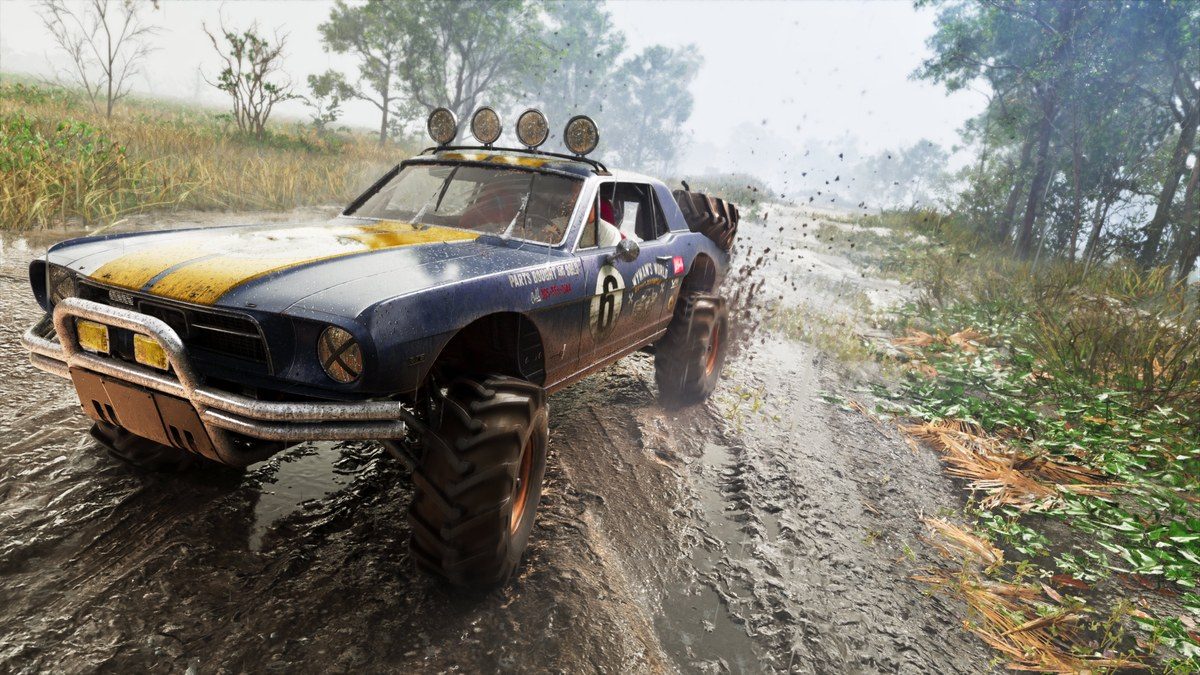
On 24 November several outlets (ITHome, Sina Tech, NetEase) relayed a set of developer notes given to TechRadar Gaming. The speaker is Rockstar's technical director for physics, Ben Lyons, and the subject is what the vehicle system does this generation.
His framing first: "Every GTA is an evolution from the last. We add more detail, refinements, and fidelity to make the handling as enjoyable as we can." Then the substance: "We completely rewrote the vehicle simulation for every vehicle type so we could add more detail and realism, as well as authenticity and believability."
Why does this deserve its own article? Because players have been sharply divided on the driving since launch: some say the cars feel heavier and more planted, others complain about numb low-speed steering and losing control after a light tap. The official explanation at least tells you where the change comes from — not a patch, but the engine-level rebuild in this instalment.
The backstory is worth quoting in full. After GTA5 shipped, part of the team started building and racing their own cars, ending with a class victory at the Nürburgring 24 Hours. That was not team building; it was research.
"This taught us a huge amount about how to modify, design, and set up real cars to go fast and what happens to them when things go wrong, like bursting tires and crashing." The same approach went into rally bikes, because the team felt it had to understand two wheels versus four, and tarmac versus dirt, to give players "as convincing an authentic experience as we can".
Put differently, GTA6's driving feel was not tuned from a spreadsheet. It was learned from real failure — how a tyre lets go, how a car rotates, how suspension runs out of travel. That also explains why collision feedback in this instalment leaves an impression.
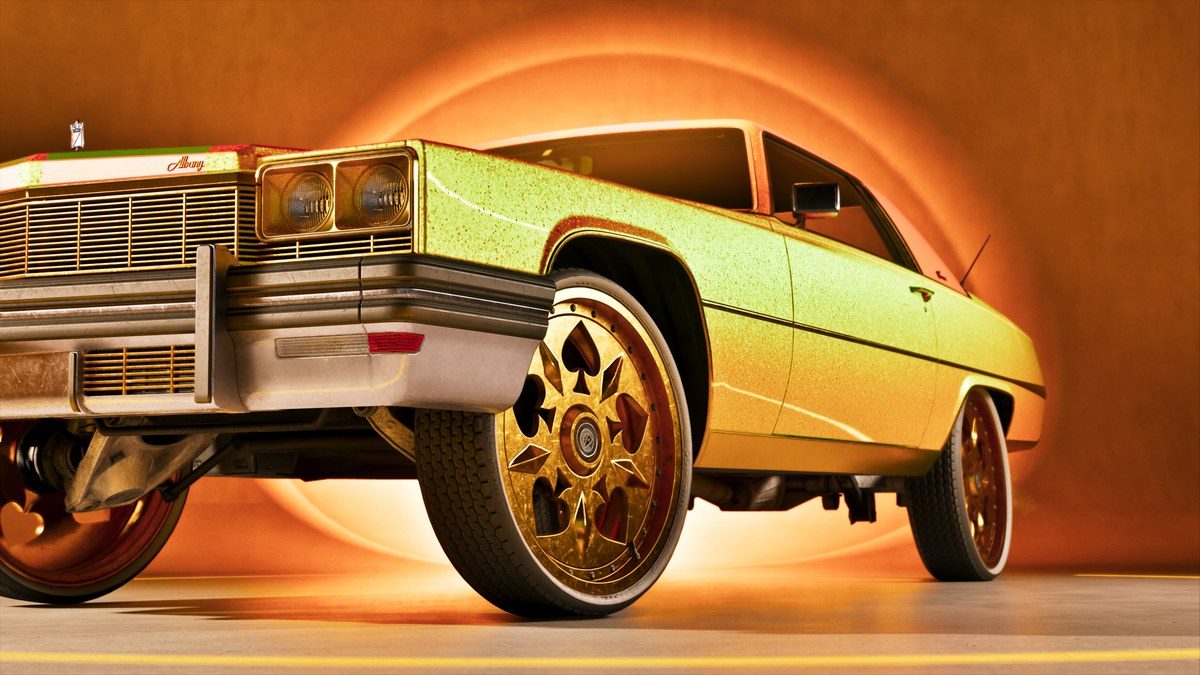
Lyons says "every vehicle type" and names both cars and aircraft, plus the off-road bikes the team studied directly. The table separates official wording from what players can actually feel, so you can tell which claims are firm and which are impressions.
| Vehicle | Official statement | What players notice | Tier |
|---|---|---|---|
| Cars and trucks | Simulation rewritten for every vehicle type | Weight and inertia are more pronounced; post-impact attitude reads more logically | Official + community |
| Motorcycles | Specific study of two versus four wheels, paved versus off-road | Rougher off-road, easier to lose balance on landing | Official + community |
| Aircraft | Airfoils, propellers, control surfaces and engine types simulated individually | One-sided damage causes persistent yaw that must be countered | Official |
| Boats | Not addressed in these notes | — | Not mentioned |
Aircraft show best what "rewritten" means. Lyons says the game simulates each individual airfoil, propeller and control surface, plus different engine types, and that turbulence, clouds and weather all act on them.
There are two payoffs. The first is feel: different airframes no longer differ only in top speed and turn rate. The second is practical, because damage is computed per part. "We can get a higher-fidelity experience because of this, allowing us to simulate the effects of damage and breaking on each individual part of the aircraft in more realistic and variable ways, which you will have to fight against to avoid crashing."
In gameplay terms: a clip used to cost health, now it matters where you hit. A wingtip catching a power line, a prop striking the ground and a damaged tailplane all behave differently, and each keeps pulling at your trim while you look for somewhere to land.
Rockstar published no numbers, so these are practical suggestions derived from what the team described — heavier inertia, modelled blowouts and collisions, and a real split between two and four wheels. They are not official instructions.
1. Your tyres are your first life. After a blowout, lift off, steer gently and let engine braking slow you; hard braking in the rebuilt model is far more likely to spin you.
2. Brake before the corner, not in it. More inertia makes mid-corner braking expensive; shed speed on the way in.
3. Crashes leave a mark. Suspension and tyre damage is not cosmetic — listen to the car and check whether it pulls before deciding to keep it.
4. Ride dirt bikes like two-wheelers. Grip differences between tarmac and dirt are modelled, so aggressive lean angles on loose surfaces unsettle the bike faster.
5. Check where the aircraft is damaged. One-sided damage causes continuous yaw: counter-trim, reduce speed, then find the nearest runway or highway.
If you want to combine this with the police system, read our wanted level guide; for funding a faster car, see making money; the frame rate side of the handling question is covered in the PS5 performance guide.
It is tempting to conclude that a rewritten simulation must mean more realistic handling. One caveat: Rockstar only discussed the simulation layer and said nothing about frame rate. GTA6 remains capped at 30fps on PS5 and Xbox Series X|S, with no 60fps mode, and none of the post-launch patches have changed that.
30fps does affect driving. A frame every ~33ms means steering input feels duller at speed than at 60fps, which is part of why some players call the cars hard to handle (community view, not an official explanation). In other words, the "heaviness" you feel is probably half new physics and half frame rate.
If you only want to know what changed and whether to relearn it: yes, the handling logic for cars, bikes and aircraft was replaced, so old muscle memory needs rebuilding. If you were hoping a patch would raise the frame rate, stop waiting — the 1.002.002 patch notes contain no frame rate item.